Giant Zucchini, Small Town, No Agenda: How to Do Joy Tourism at America's Weirdest Little Festivals
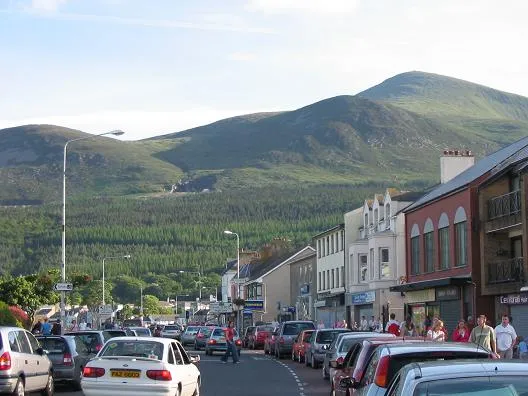
Photo: Arrospide at English Wikipedia, CC BY-SA 3.0, via Wikimedia Commons
The first thing you notice is that the scale is certified. Not a bathroom scale dragged out of somebody's garage — an actual inspected scale, with a sticker, and two guys in matching shirts arguing about whether the vegetable should be weighed in the crate.
There are maybe a hundred and fifty people standing around watching this. Every single one of them is having a better Saturday than you are. That's the whole argument for joy tourism, and it's why a tent in a small-town park can beat a weekend of booked-and-paid-for entertainment without breaking a sweat.
The Case for the Giant Vegetable
Curated fun has a problem: it arrives pre-approved, pre-priced, and pre-admired. You buy a ticket, you sit in a seat, you consume a thing that was designed by a committee to be liked by the maximum number of people in the widest possible range of moods. It works. It's fine. You won't remember much of it in a month.
Small-town festivals are the opposite. Nobody designed them for you. They exist because a town decided, decades ago, that the harvest deserved a Saturday, and the program has been added to by generations of people with strong opinions and limited budgets. That's how you end up with a pumpkin catapult, a pie auction conducted at auctioneer speed, a rutabaga contest with a decades-long grudge attached to it, and a guy selling fried dough out of a trailer his cousin welded.
Low stakes, low ticket price, low expectation. Those three things in combination are weirdly powerful. When nothing is supposed to be spectacular, small things get to be delightful.
How to Find a Festival Nobody's Marketing
Start smaller than you think. The events worth driving for usually advertise in a newspaper with a circulation under 8,000, not on a billboard.
- Search by crop, not by state. 'Pumpkin chunkin,' 'giant pumpkin weigh-off,' 'sweet corn festival,' 'rutabaga festival,' 'onion days,' 'strawberry social.' Crop names surface the good stuff.
- Check county and state fair calendars, including the junior and 4-H schedules. County extension offices keep lists of local events and are generally delighted that someone called.
- Look at town websites for towns under 5,000 people. Their festivals pages are often three years stale, which is fine — the event is usually still happening, just poorly publicized.
- Watch local Facebook groups and community bulletin boards at libraries, feed stores, and diners. This is where the actual details live.
- Pick a festival with a competitive category you don't understand. Largest squash, best scarecrow, fastest pie-eating, heaviest tomato. A competition with obscure rules guarantees a crowd with something at stake.
Drive time matters more than prestige. Ninety minutes each way is plenty. Bring cash, because the pie table and the 4-H raffle are not running Square.
Festival Etiquette, Small-Town Edition
You are a guest in someone's annual tradition. Act like it and you'll be adopted by the second hour.
Park where they tell you. Even if it's a field. Especially if it's a field.
Buy something small and edible. A slice, a lemonade, a jar of jam from the church ladies' table. It costs a few dollars, it's the price of admission in spirit, and it's how these events survive.
Don't stand in front of the judges. The judging table is the center of the universe at these things. Give it room, especially during final rounds.
Clap for the losers. The zucchini that came in fourth was somebody's entire summer. Applause for the near-misses is the warmest thing you can do all day.
Ask before photographing kids. Ask before photographing anybody's display, honestly. Most people will say yes and then tell you the whole story, which is the actual prize.
Don't be ironic about it. There's a difference between delighting in a giant vegetable contest and making fun of one. The first makes you a good guest. The second makes you the guy everyone remembers for the wrong reason. Ask real questions. Bring genuine curiosity.
Leave when it's over. Small festivals wind down fast. There's no encore, and there doesn't need to be.
What You'll Actually Remember
Not the itinerary. You'll remember the announcer who pronounced a family name wrong and got corrected by the crowd. You'll remember the twelve-year-old who lost the pumpkin toss and got a standing ovation anyway. You'll remember the woman at the pie table insisting you take a second slice because 'the first one was a little small.'
That's the trade you're making. You give up polish, AC, and a guaranteed good time, and you get back a Saturday that feels like it happened to you instead of being scheduled for you.
A Starter Plan
Pick one town within two hours. Find its fall or summer festival. Leave early, arrive before the parking lot fills, walk the whole grounds once before buying anything, then settle in near the judging tent and let the day happen. Budget forty dollars in cash. Talk to three strangers. Eat something that was fried in front of you.
The rutabaga will not change your life. That's not what you're there for. You're there because a hundred and fifty people decided this Saturday was worth showing up for, and it turns out they were right.