Your Library Card Now Unlocks a Cake Pan, a Banjo, and a Metal Detector
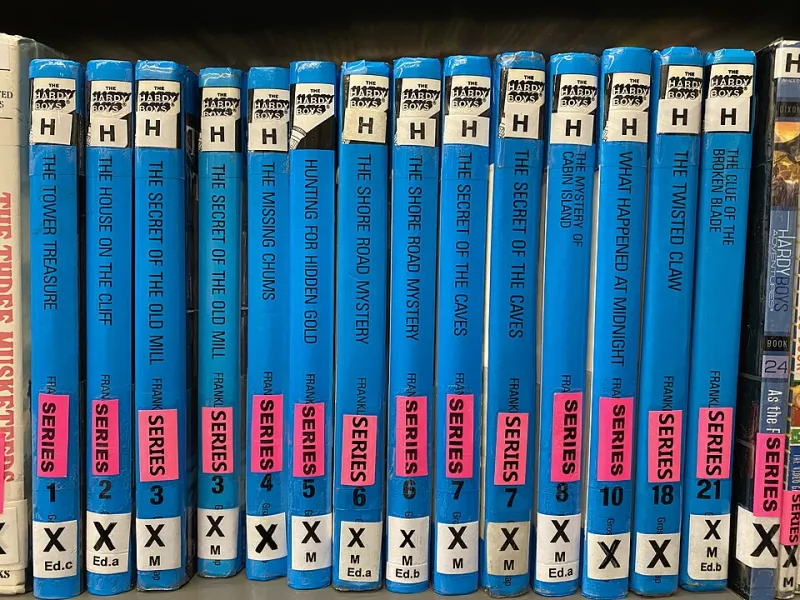
Photo: Jengod, CC BY-SA 4.0, via Wikimedia Commons
The librarian didn't even look up. 'Two weeks,' she said. 'And bring back all the little pieces.'
I was checking out a metal detector. Not buying one — checking one out, the way you'd check out a paperback thriller, from a public library in a mid-sized American city. Next to it on the shelf: a cake pan shaped like a dinosaur, a ukulele in a soft case, a bocce set, and a laminated binder of museum passes.
If you haven't been inside a library since you last needed a quiet place to study, here's the update. A lot of them now lend objects. And the objects are wonderful.
The shelf that isn't a shelf
Librarians call these 'library of things' or 'items collections,' and the logic is embarrassingly simple. A public library already has a catalog, a checkout system, and a building full of people who trust it. Adding a pressure washer to the inventory costs a fraction of adding a branch, and it does the same job: it gets something useful into the hands of someone who can't or won't buy it.
The idea has been spreading for more than a decade, and by 2026 it isn't fringe. You'll find these collections in big systems like Chicago's and Sacramento's, in county libraries across the Midwest, in one-room libraries that lend snowshoes, and in suburban branches that stock folding tables for graduation season because somebody finally noticed the entire town needed one for exactly one weekend a year.
The best part is how ordinary it is. No membership tier, no premium upgrade. Your card — the free one — is the whole key.
What's actually in there in 2026
Availability swings wildly by location, but the categories have settled into a recognizable shape.
Kitchen gear. Shaped cake pans are the gateway drug: dinosaurs, castles, bundt molds, giant numerals for milestone birthdays. Also ice cream makers, punch bowls, cake carriers, cookie cutters, and occasionally a full decorating kit for the person who watched one video and got ambitious.
Tools and home stuff. Drills, ladders, stud finders, circular saws, pressure washers, energy meters, sewing machines, and the occasional canning setup.
Instruments. Ukuleles are everywhere because they're cheap, sturdy, and forgiving. Guitars, keyboards, and the odd banjo turn up too.
Outdoor and hobby. Metal detectors, telescopes, binoculars, fishing rods, disc golf sets, lawn games, snowshoes, camping gear.
Access and culture. Museum and state park passes, seed libraries for gardeners, board games, puzzles, mobile hotspots.
Kid gear. Dolls, sensory kits, and truly enormous quantities of once-loved toys that somebody wisely donated instead of storing.
Why borrowing beats buying (and money is the boring reason)
Sure, a decent metal detector runs $150 to $400 and you will use it twice. But the savings aren't the real argument.
The real joy is low-risk curiosity. Buying a ukulele is a statement about who you are. Borrowing one is a question you're allowed to ask for two weeks and then abandon without explanation. The library turns hobbies into trials — no sunk cost, no guilt, no box in the garage labeled WHY.
There's also something lovely about using an object forty other people have used. The cake pan comes back with a note taped to the lid: 'makes 24 cupcakes, don't overfill.' The detector has a sticker from a previous borrower naming the best park. You inherit a little collective wisdom with every loan.
And then there's the due date. A deadline is a gift to the chronically overcommitted. You get to try the thing, enjoy the thing, and let go of the thing before it becomes clutter. That isn't deprivation. That's a small, clean kind of happy.
Etiquette: the rules nobody prints
Every collection has its own personality, but the same courtesy shows up everywhere.
- Return on time. Holds lists are real, and someone's kid's birthday is Saturday.
- Bring back every piece. Count the bocce balls. Check the cake pan for the little plastic insert.
- Clean it first. Wipe the pan, empty the seed tray, let the tent dry before it goes back in the bag.
- Hand it to a person. Objects don't belong in the drop box. Ask at the desk.
- Report damage early. Librarians would much rather hear it from you than discover it.
- Photograph the parts before you disassemble anything. Especially tools and sewing machines, and especially if you've already lost the manual.
Three small success stories
A neighbor borrowed a metal detector to hunt for a wedding ring lost in her own backyard. Found it in twenty minutes, along with a 1971 penny and half a hubcap.
A dad checked out a dinosaur cake pan for a five-year-old's birthday and returned it with a handwritten note: 'He thinks I'm a wizard now. Thank you.'
And at one branch I visited, the ukulele collection had quietly produced a Saturday morning strum group of eleven people who now meet in the community room, play badly, and bring muffins.
Your first-borrow checklist
- Get the card. Bring ID and proof of address. Students, teachers, and often neighboring-county residents qualify too.
- Search the catalog, not the shelf. Try 'library of things,' 'kit,' 'equipment,' or the item name. Or just ask a librarian — they genuinely love this question.
- Check the loan period. Objects often run shorter than books and may not renew.
- Place a hold from home. Most systems text you when it's ready.
- Inspect at the desk. Open the case, count the parts, and point out existing damage so you aren't blamed for it later.
- Set a phone reminder two days before the due date. This is the entire secret.
- Return it clean, inside, and tell somebody. Word of mouth is how these collections survive budget season.
The library has always been in the business of lending possibility. It just turns out possibility sometimes comes in a cake pan.