Soup Sunday and the Rise of the Made-Up Holiday
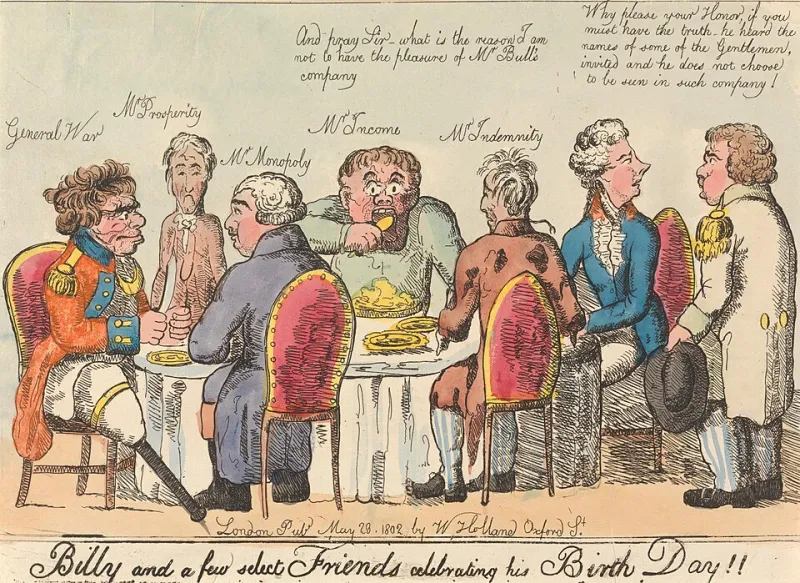
Photo: anonymous , CC0, via Wikimedia Commons
Somewhere along the way, Americans decided that waiting for birthdays and major holidays to celebrate was, frankly, too long to wait. So we started making our own. Galentine's Day — invented by a sitcom, adopted by brunch tables nationwide. Friendsgiving, which has quietly become as load-bearing to November as the actual holiday. And the humblest tradition of all: Friday, when the ritual is simply pizza, a movie, and permission to do absolutely nothing else.
This isn't just cute. Psychologists have a term for what's happening — rituals — and the research on them is surprisingly glowing. Repeated, meaningful routines lower anxiety, deepen relationships, and act as what one researcher called "a pause button for a busy life." In other words: the made-up holiday might be doing more for your mental health than the real ones.
Why Made-Up Traditions Hit Different
Official holidays come with baggage. Travel, in-laws, a turkey you have to brine at 6 a.m. Your personal traditions have none of that. You wrote the rules, so the rules are simple.
There's also anticipation working in your favor. Studies on happiness consistently find that looking forward to something delivers a big chunk of the joy itself. A standing Saturday morning farmers market date gives you a little hit of pleasant expectation every time you glance at the calendar. That's five free mood boosts a week from one tradition.
And unlike a vacation, a ritual repeats. You don't need to save up for it, plan flights, or dread the laundry afterward. The barrier to entry is a Tuesday.
The Field Guide to Weeknight Rituals
Need inspiration? These are circulating in living rooms across the country:
- Soup Sunday. One pot, everyone who shows up gets a bowl. Rotates houses or stays put forever. Low effort, high warmth.
- First-Thing Friday. Coffee on the porch or a walk before phones, marking the official start of the weekend.
- Taco Tuesday, but make it official. Same playlist, same hot sauce, same terrible jokes.
- The Monthly Swap. Friends alternate hosting a low-key dinner — the only rule is the host cooks, guests bring the story.
- Sunday Night Reset. Candles on, phones off, one hour of tidying while a comfort show plays. Weirdly, people fight over who gets to host it.
How to Invent Your Own (Without the Planning Burnout)
The trap with rituals is treating them like events. Don't. Here's the low-effort method:
1. Anchor it to something you already do. The best rituals piggyback on existing habits — after dinner, after church, after the game. No new scheduling required.
2. Keep it under two hours and under $20. If a tradition needs a spreadsheet, it's a project, not a ritual. The magic of Pizza Friday is that it takes ten seconds to decide and zero to plan.
3. Add one tiny repeated detail. A specific song. The fancy candles you save for it. A toast with the $12 prosecco instead of the good stuff. Small constants are what make a night feel like the night.
4. Let it be imperfect. A tradition that survives skipped weeks is stronger than one that dies of perfectionism. Missed a Soup Sunday? The soup forgives you. Resume next week.
5. Name it. Seriously. "Soup Sunday" sticks because it's named. A named ritual is easier to remember, easier to invite people to, and honestly, more fun to say.
The Point Isn't the Prosecco
Here's the thing about the weekly celebration: the cake is optional, the confetti is optional, the prosecco is negotiable. What isn't optional is the decision that this ordinary stretch of days deserves marking.
We spend so much time optimizing for the big moments — the trip, the promotion, the milestone — that we forget happiness mostly lives in the small, repeated ones. A made-up holiday is just a way of telling the people you love, and yourself, that regular life is worth toasting.
So pick a day. Pick a dish. Name it something slightly ridiculous. Congratulations — you've just invented a tradition. Your future self, glancing at the calendar on a gray Wednesday, will be very glad you did.